Light Commercial Service · Pearland & South Houston
Your building. Up and running.
A dead rooftop unit costs a business money by the hour. We service light commercial HVAC in offices and retail, restaurants and small industrial buildings along the Pearland to Houston corridor. That covers repairs and replacements, plus maintenance contracts with priority response and pricing you can budget for.
Our commercial work is mostly light commercial: buildings running rooftop units, package units or split systems up to about 25 tons. This is what we cover.
Rooftop unit (RTU) service
We repair and replace packaged rooftop units and maintain them quarterly. That includes Trane and Carrier, Lennox, York, Daikin and Bryant.
Package & split systems
We repair and replace the split systems and package units that serve offices, shops and small restaurants.
Service contracts
A contract gets you quarterly maintenance and priority response under a written SLA. Emergency calls carry no overtime charge, and parts and labor are discounted. Property managers get multi-unit pricing.
Emergency dispatch
Every commercial customer gets 24/7 emergency service, and contract customers go to the front of the line. When tenants are leaving voicemails, we treat it as urgent.
Featured project
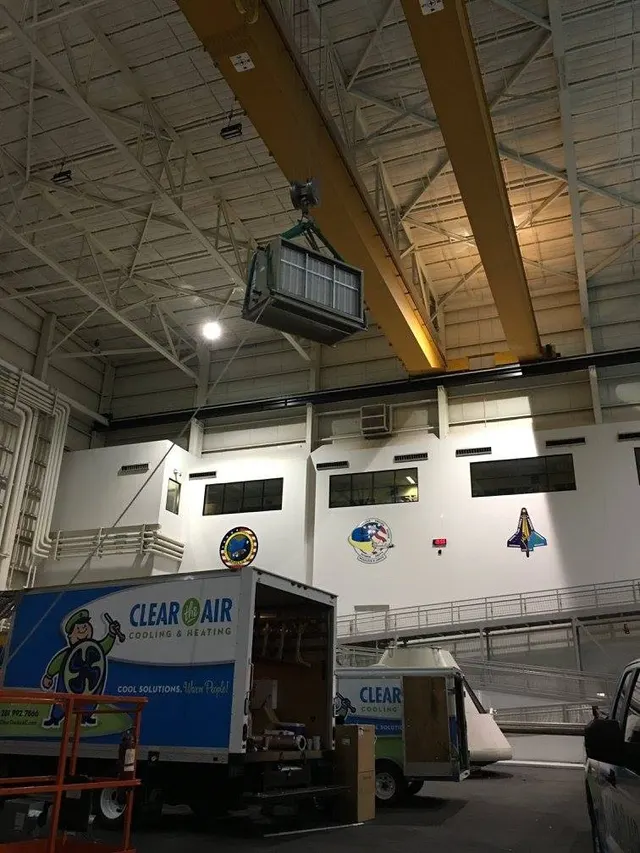
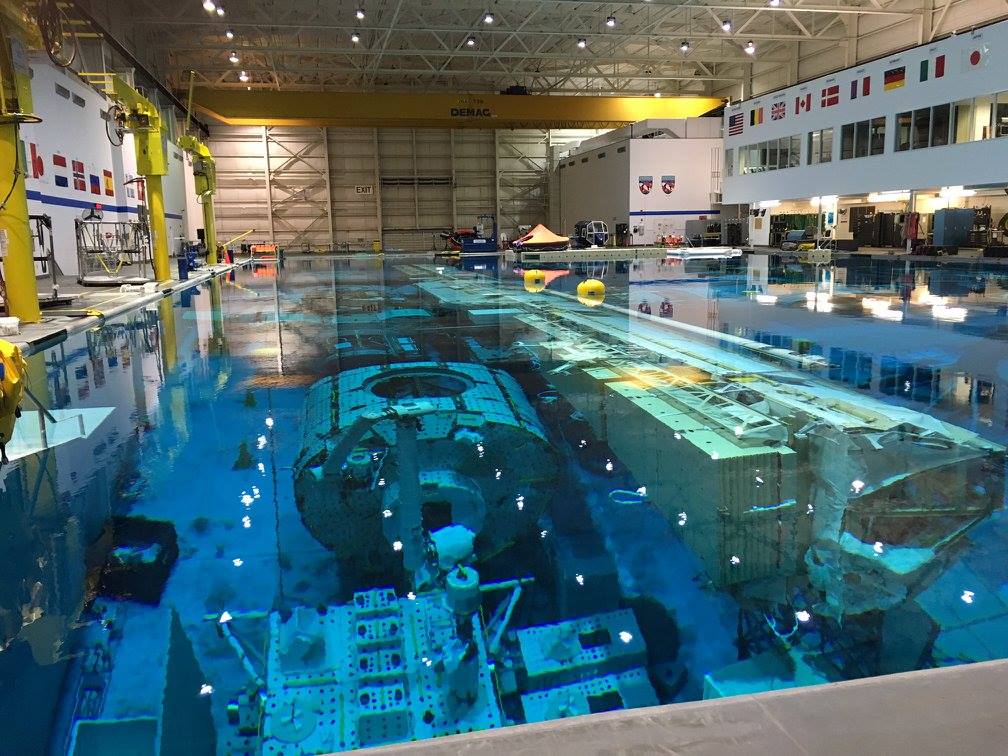
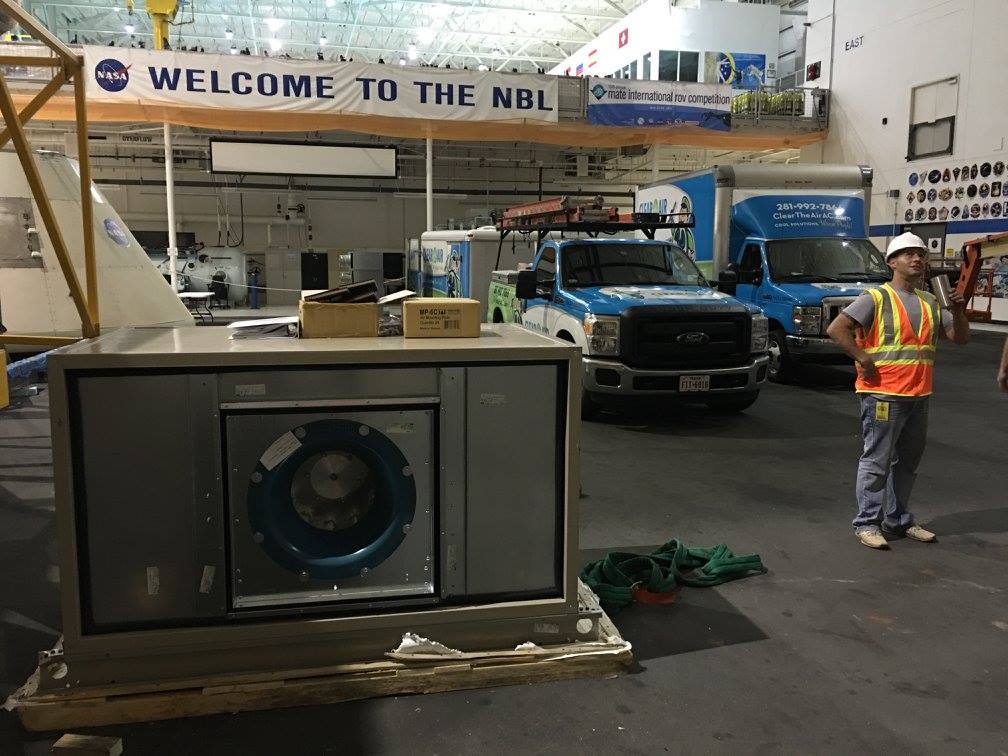
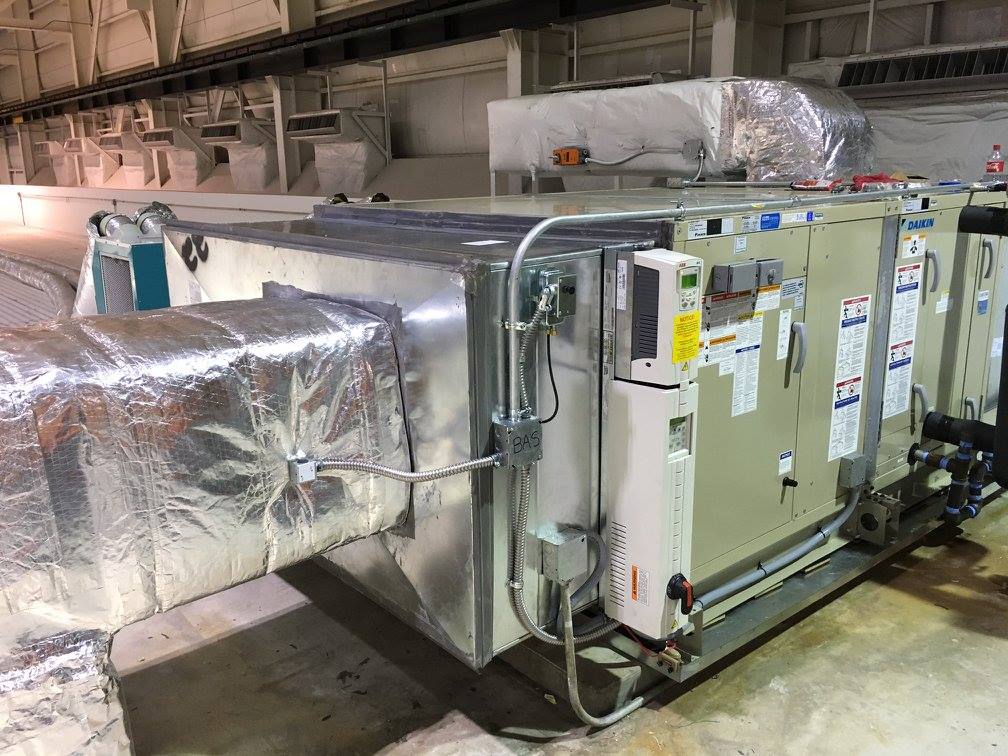
50-ton AHU replacement at NASA's Neutral Buoyancy Laboratory.
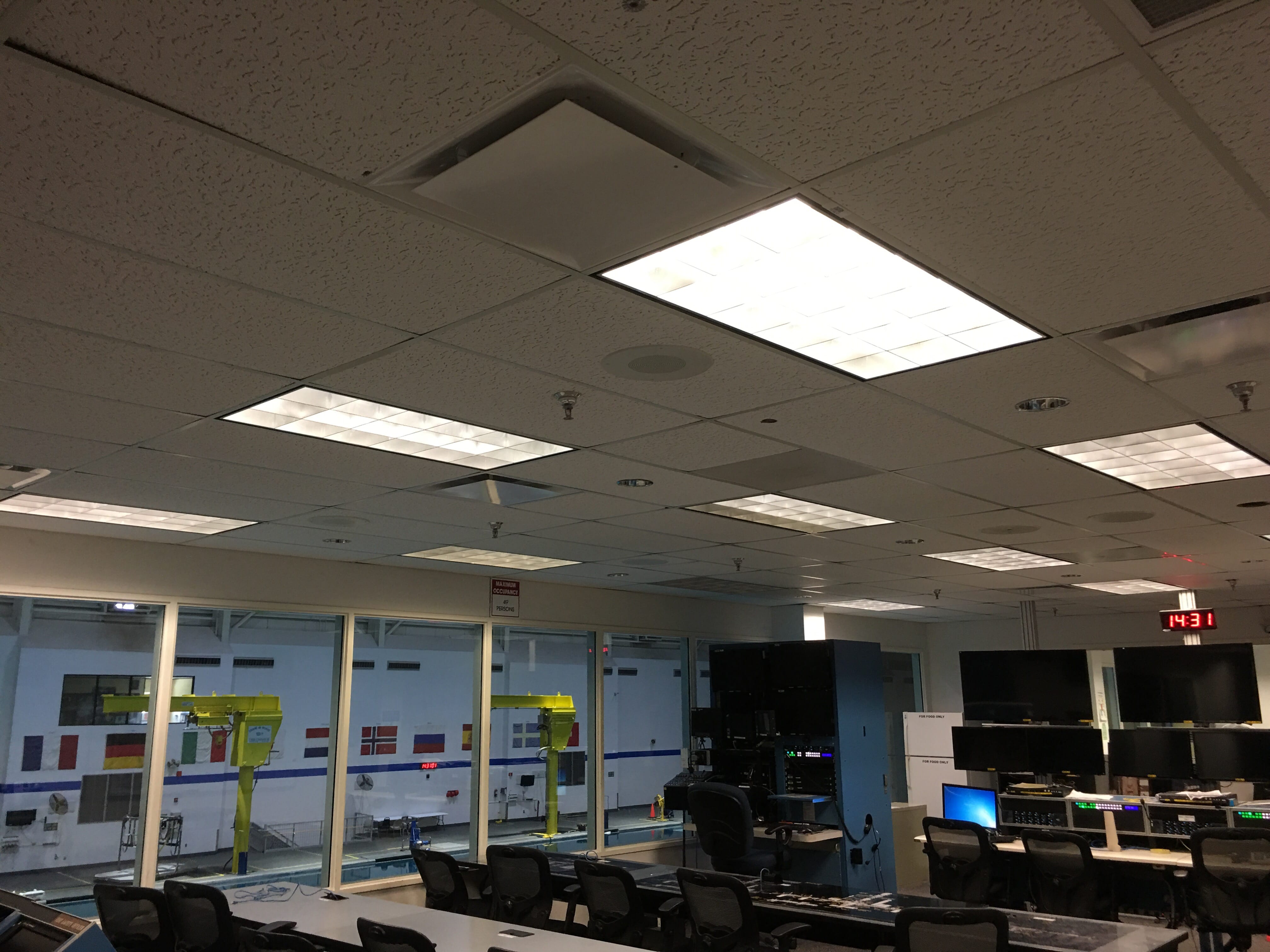
Replaced an aging chilled-water air handler serving the NBL control and communications room, integrated into the building automation system, scheduled around an active astronaut training facility.
NASA · Johnson Space Center
Neutral Buoyancy Laboratory · Houston, TX
Capacity50 tons
SystemChilled-water AHU
ServingControl & comms room
IntegrationBuilding automation
AccessSecurity clearance
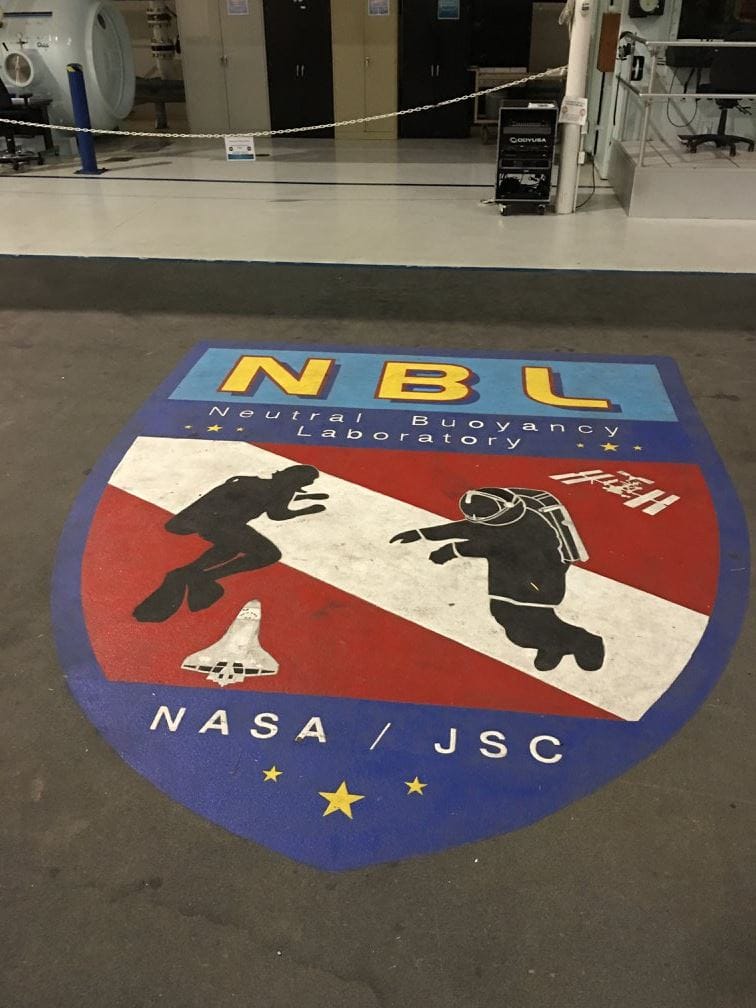
The NBL is one of NASA's most demanding training facilities, a 6.2-million-gallon pool where astronauts rehearse spacewalks against full-scale ISS mockups. The control and communications room overlooking the pool runs around the clock during training operations, so HVAC failure is not an option. We removed the failing 50-ton McQuay air handler, set the new Daikin unit, and integrated controls into the existing building automation system, all while working around an active training schedule with full security clearance for every tech on site.
Step 01
Site access and coordination
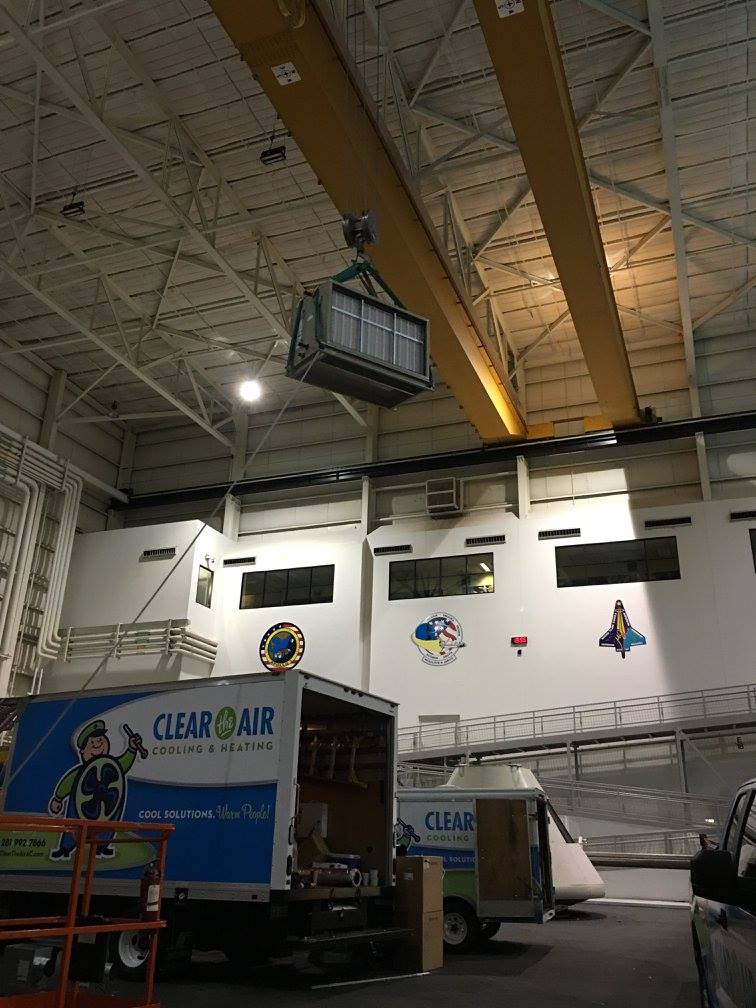
Every Clear the Air technician on site cleared NASA security in advance. Work was sequenced around the NBL's active astronaut training calendar, including coordinated overhead crane time with the facility's rigging crew.
Step 02
Old unit removal
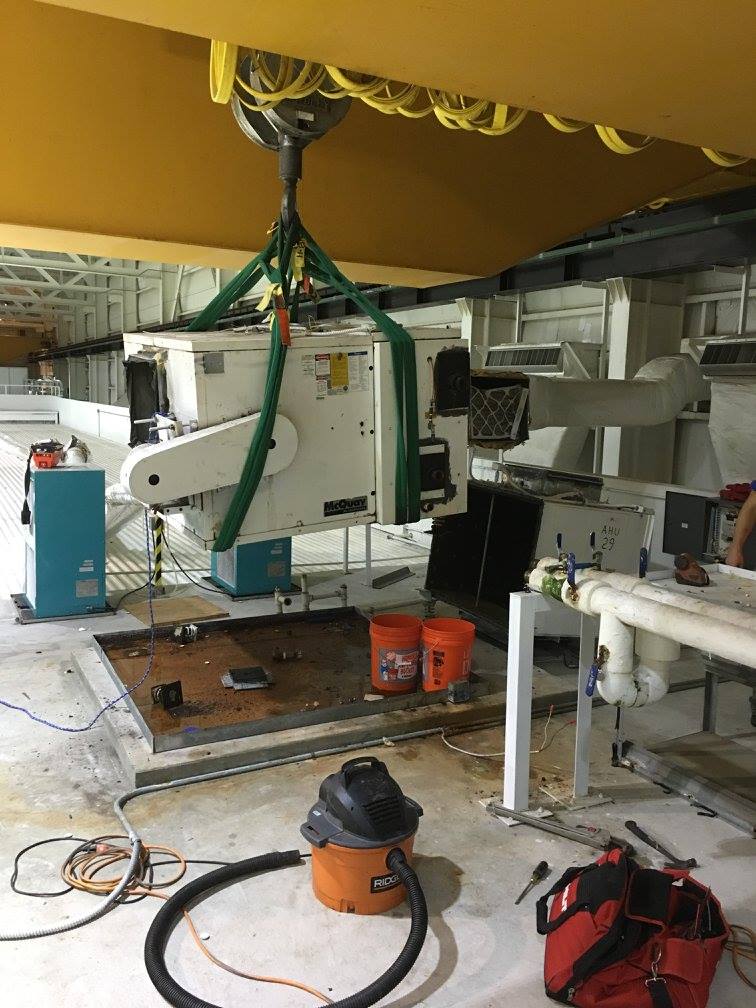
The original McQuay chilled-water AHU was rigged out using NASA's overhead bridge crane. Hoses, electrical, controls, and chilled-water piping were isolated and capped before the lift to keep the rest of the building online.
Step 03
New equipment set
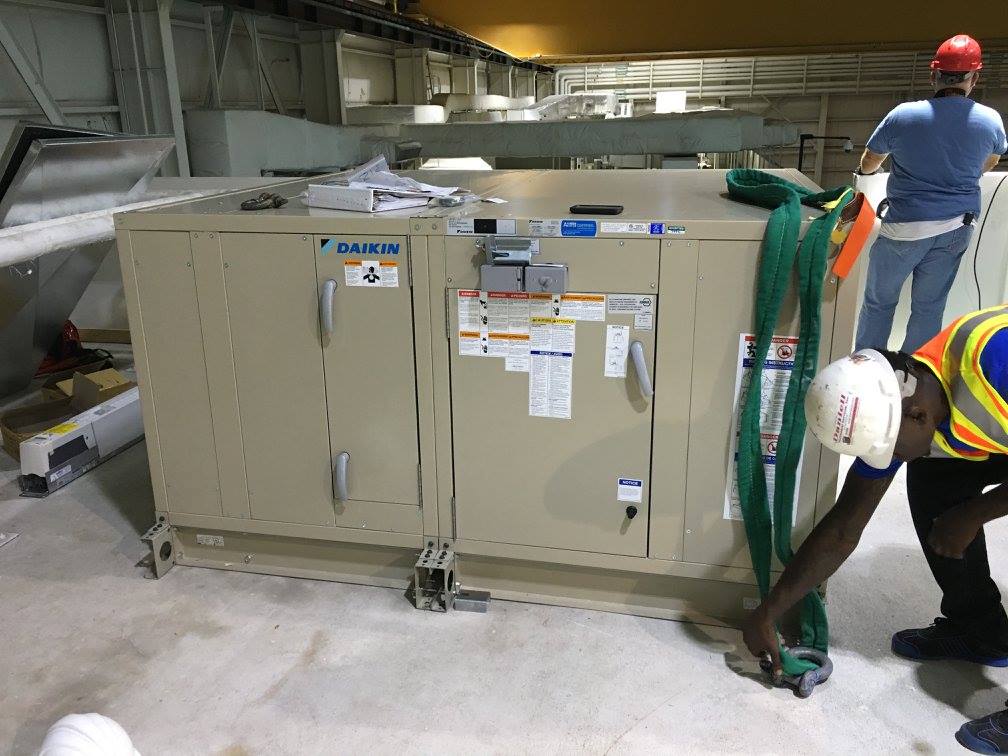
A new 50-ton Daikin air handler was staged on the high-bay floor, rigged, and hoisted into the mechanical mezzanine using the same bridge crane. The set went down in a single shift to minimize the window of conditioned-air loss to the control room.
Step 04
Install and BAS integration
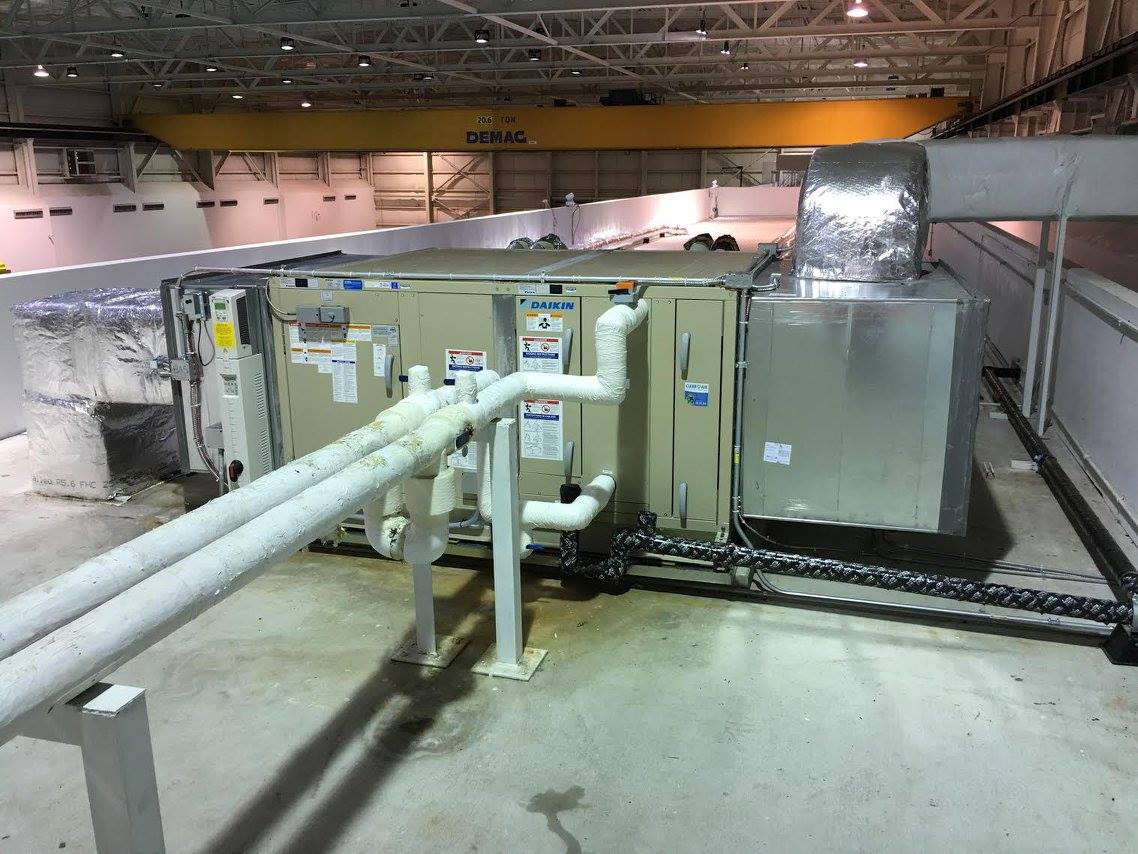
New chilled-water piping, low-voltage controls, VFD, and ductwork insulation were installed and tied into the existing system. Final commissioning brought the unit online under the building automation system, giving the NBL's operations team full remote visibility and control.
Critical-environment HVAC on a NASA schedule, with security clearance for every tech. Our service contracts are built for work like this.
Clear the Air · Commercial Service Team
When to call us
Tenants complaining about the temperature, or a power bill that keeps climbing? Either one is worth a call.
Tenant complaints about temperature inconsistency
Rooftop unit running constantly without cooling
Energy bills creeping up across the portfolio
Equipment over 12 years old
Multiple service vendors and inconsistent care
No documented maintenance program
Building is leased and you need fast SLAs
Restaurant kitchen ventilation and makeup air issues
Five steps. No surprises. Same on your first call as your fiftieth.
Site walkthrough
A senior tech walks the building and photographs every unit, noting its age, model and condition. You get a written assessment.
Service plan proposal
The maintenance plan is matched to your equipment age and how hard it works. Visit frequency and response times are written into it, along with how often you get reports.
Onboarding
We set up ticketing and dispatch for your buildings. You get one contact person who knows them.
Ongoing service
Quarterly maintenance and repair tickets all go into a service log, so when a unit needs replacing you have its history.
Equipment replacement when needed
When a unit reaches end of life, you get side-by-side pricing and a project plan built to keep the business open.
$99Diagnostic visit ($79 for new customers), waived when you approve the repair
FreeIn-home estimates on new systems
Same priceNights, weekends, and holidays. No overtime fees.
What Pearland neighbors are saying
★★★★★
"I had an HVAC system die at rental property and it was time sensitive. Michael Schmidt came out the next morning and gave me multiple options. He was patient with all my questions and helped me find the best solution. They were able to schedule the install the very next day."
Brandon G.
Verified Google review
★★★★★
"Clear the Air maintains two systems for us flawlessly in high-rise condo and Robert Britt was yet another tech that did a great job today!"
Stephen A.
Verified Google review
★★★★★
"What a pleasure to work with this business! They were prompt and organized in their response. Mr. Robby Hansche was absolutely professional, friendly, and informative on all our questions. We will definitely be using this business again."
Mary S.
Verified Google review
Frequently asked
Do you do service contracts for property managers?
Yes. We write multi-unit and multi-property contracts with one invoice and one dispatch contact. Every unit gets a documented service history, and the SLAs are written for commercial property management. Pricing is based on volume.
What size buildings do you service?
Light commercial, usually buildings with up to about 25 tons of HVAC on rooftop units, package units or light commercial splits. That means offices and retail centers, restaurants, small industrial and multi-tenant properties. For bigger industrial or chiller plants we partner with specialty contractors.
How fast is your emergency response?
Contract customers get written SLAs, typically same-day for non-critical calls and within 4 hours when the building has lost cooling or heat entirely. Other customers are served in the order they call, though we move commercial outages ahead of residential when we can.
Do you handle restaurant ventilation and makeup air?
Yes. A restaurant has kitchen exhaust hoods and makeup air units to deal with on top of dining-room comfort. We handle the comfort side and bring in kitchen specialists when hood cleaning or fire-suppression certification is needed.
Can you replace rooftop units without disrupting our business?
Yes. When needed we schedule RTU replacements after hours, on weekends or at off-peak times, and crane work is coordinated and announced ahead. Most replacements take a day.
Do you provide service reports?
Yes. Every visit gets a written report with photos and measurements, listing parts replaced and our recommendations. Property managers also get monthly or quarterly portfolio summaries showing what was serviced and what to budget for next.
Do you offer 24/7 emergency response?
Yes, for every commercial customer, with contract customers dispatched first. After-hours calls are answered 24/7 and sent out from our Pearland shop.
Can you help with energy efficiency upgrades?
Yes. We look at equipment age and run times and evaluate the controls, then propose phased upgrades with the payback math. CenterPoint Energy commercial rebates go into the proposal when they apply.
Do you do critical-environment or government-facility work?
Yes. Our largest case study is a 50-ton chilled-water air-handler replacement at NASA's Neutral Buoyancy Laboratory at Johnson Space Center, the astronaut training pool. Every tech on site held NASA security clearance, and the install was sequenced around an active astronaut training calendar. We do similar work in medical buildings and control rooms, where the equipment cannot go down.